
Is Couples Therapy Worth It?
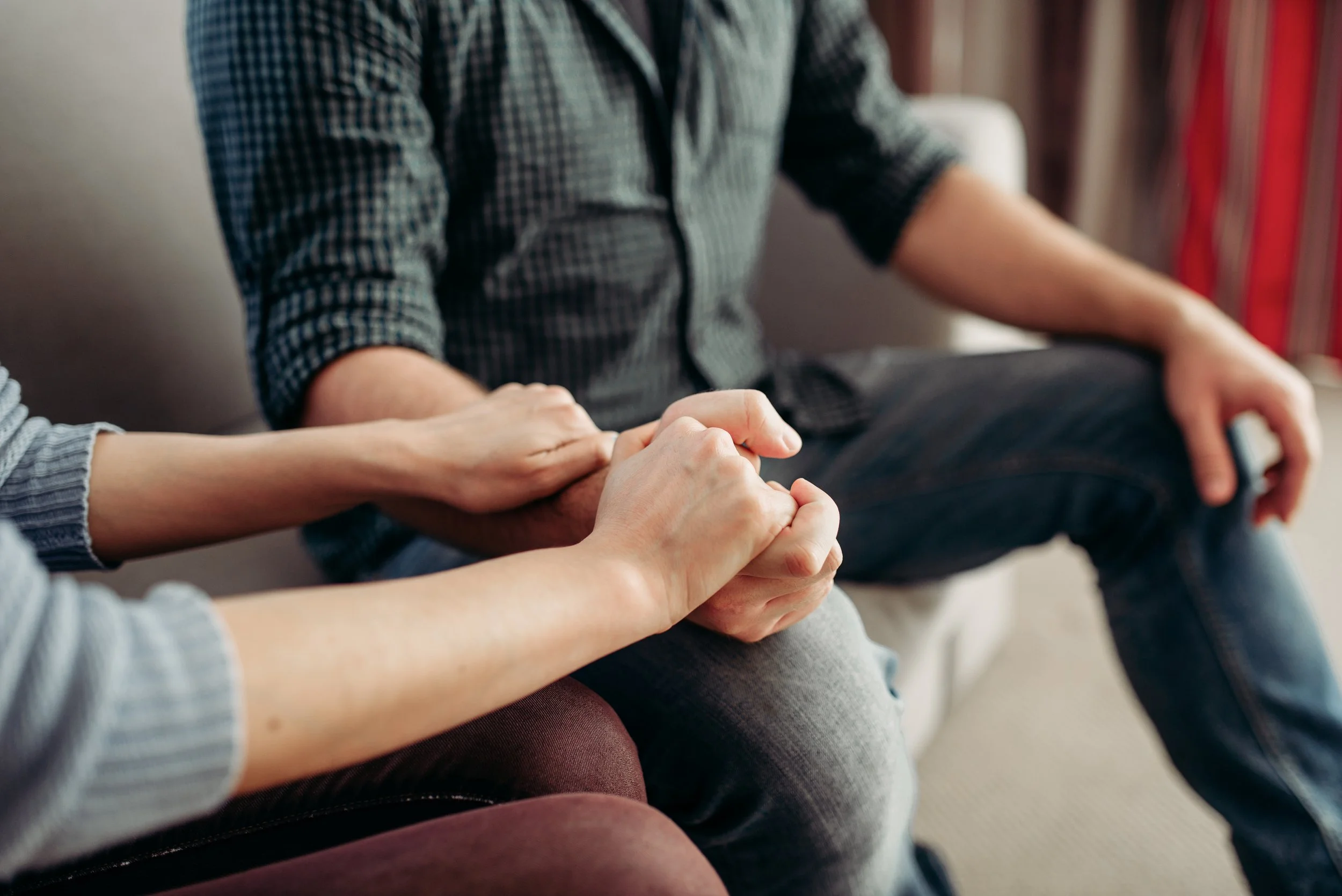
It's the question you've probably typed into a search bar at midnight, or asked a trusted friend over coffee, or turned over silently in your own mind more times than you can count: Is couples therapy actually worth it? At John Sloan Therapy in Pasadena, we hear this question often, and we think it deserves an honest answer. Not a sales pitch. Not a guarantee. Just the truth about what couples therapy can and cannot do, and how to know if it might be right for you.
The short answer is: for most couples who are willing to show up and do the work, yes, it's worth it. But that answer deserves more context. So let's get into it.
What the Research Says
Couples therapy has a strong evidence base. According to the American Psychological Association, Emotionally Focused Therapy (EFT), one of the most widely used evidence-based approaches, is approximately 75% effective. That means three out of four couples who complete treatment report significant improvement in their relationship satisfaction.
These results hold across a wide range of situations, including couples dealing with infidelity, communication breakdowns, the stress of parenting, and high-conflict dynamics. Positive outcomes have also been found to persist for at least 2 years after treatment ends. That's not a temporary boost. That's a measurable, durable shift in how couples relate to each other.
Those numbers are encouraging, but they come with an important caveat. Therapy works best when both partners are willing to be honest, to look at their own role in the dynamic, and to sit with the discomfort of change. It's not a passive process. The couples who get the most out of therapy are the ones who bring their full selves into the room, including the parts they'd rather keep hidden.
Myths vs. Reality
Much of the doubt around couples therapy stems from misconceptions about what it is and how it works. Here's a quick reality check:
Myth: Therapy means our relationship is failing.
Reality: Therapy means you're investing in your relationship. Many healthy couples use it proactively.
Myth: The therapist will pick sides.
Reality: A good therapist creates a space where both partners feel heard. It's not about blame; it's about understanding the cycle you are both caught in.
Myth: We should be able to figure this out ourselves.
Reality: Most couples repeat the same patterns for years. An objective outside perspective is often required to break the cycle.
Myth: Therapy only helps if both people want to go.
Reality: It's ideal when both are willing, but even one motivated partner changing their responses can create positive shifts in the relationship dynamic.
Myth: If therapy doesn't fix us, nothing will.
Reality: Therapy is a process, not a magic fix. Progress takes time, patience, and honest effort outside of the session.
Signs It Might Be Time for Couples Therapy
You don't need a dramatic event to justify starting therapy. Here are some signs that your relationship could benefit from professional support:
You keep having the same argument with no resolution, and it's starting to feel hopeless.
One or both of you has emotionally checked out. You're in the same house but living separate lives.
You feel more like roommates than partners. The warmth and intimacy have faded.
Trust has been broken, whether through infidelity, dishonesty, or a pattern of letdowns, and you're not sure how to rebuild it.
A major life change (a baby, a job loss, a move, a health issue) has shifted the dynamic, and you can't find your way back.
You've stopped talking about the things that actually matter. Conversations stay on the surface because going deeper feels too risky.
Physical intimacy has faded, and neither of you knows how to bring it back without it feeling forced.
You love each other but don't like each other very much right now. The goodwill has worn thin over years of unresolved tension.
If you recognized yourself in any of those, that's not a verdict on your relationship. It's information. And it's exactly the kind of information that therapy is designed to help you work with. The fact that you're noticing these patterns means something in that you still care enough to pay attention.
What Happens in Couples Therapy?
Every therapist works a little differently, but here's a picture of what couples therapy with John Sloan looks like.
In the first session, John gets to know both of you individually and as a couple. He'll ask about what brought you in, what your relationship looks like on good days and bad days, and what you're hoping to get out of the process. There's no pressure to lay everything on the table in the first meeting. The goal is simply to start building trust.
From there, the work deepens. Integrating somatic awareness, attachment theory, and nervous system tools, John helps you see the patterns that are running your relationship. He looks at what's happening underneath the arguments: the attachment wounds, the protective strategies, and the old stories each of you is carrying into the present. Most of the time, the conflict isn't really about the dishes, the schedule, or the money. It's about something much older and more tender.
Sessions are active and engaged. You won't sit there while someone silently takes notes. You'll practice new ways of communicating in real time, learn to read each other's physical and emotional cues, and start building a relationship that feels less like survival and more like a partnership. John also helps couples rediscover the fun in shared jokes, the soft moments, and the spark of being on the same team again.
When Couples Therapy Might Not Be the Right Fit
Honesty matters here. Couples therapy is not appropriate in every situation. If there is active physical abuse in the relationship, individual therapy and safety planning must come first. If one or both partners are certain they want to end the relationship and have no interest in repairing it, therapy may not be the right investment of time. And if substance abuse is present and actively untreated, it can significantly limit the effectiveness of couples work.
In these situations, individual therapy is often a better starting point. It's not about giving up on the relationship; it's about making sure each person has the support and stability they need before doing relational work together. A good therapist will be honest with you about what makes sense for your specific situation.
The Real Cost of Not Going
When people ask whether couples therapy is 'worth it,' they're usually thinking about the financial cost and the time commitment. Those are fair considerations. But it's also worth asking: what is the cost of not going?
The cost of staying stuck in the same painful cycle, year after year. The cost of growing further apart until reconnection feels impossible. The cost of modeling a disconnected relationship for your children, who learn about love by watching you. The cost of carrying resentment that slowly poisons the good parts of your life together. The cost of eventually splitting up and looking back, wondering, 'What if we had tried?'
Couples therapy is an investment. Like any investment, there's no guarantee of returns. But the potential outcome of a deeper, more honest, more alive relationship is hard to put a price on. And even when couples ultimately decide to separate, therapy often helps them do so with more clarity, less destruction, and more respect for the relationship they shared.
Here's another way to think about it: you've invested years in building a life together. You've invested time, energy, money, hope, and love. Spending a few months working with a professional to understand what's happening in your relationship isn't an extravagance. It's proportional to the stakes.
What Couples Say After Therapy
Couples who complete therapy often say things like, 'I finally feel like we're on the same team again,' or, 'We still disagree, but it doesn't feel like the end of the world anymore.' They describe being able to have hard conversations without them turning into fights. They talk about feeling safer, more seen, and more willing to be vulnerable. They notice that the small moments of connection, a hand on a shoulder, a real laugh together, start happening again naturally.
That doesn't mean everything becomes perfect. Relationships are messy, and they stay messy even after therapy. But the mess feels manageable when you have a solid foundation of trust, communication, and mutual care to stand on. Therapy doesn't give you a perfect relationship. It gives you a real one, with all the imperfections that real love requires.
How to Take the First Step
If you and your partner have been thinking about therapy, even just one of you, that's enough to start. You can schedule a consultation on the John Sloan Therapy to discuss where you are and what you're looking for. There's no commitment and no judgment. It's just a conversation to see if the fit feels right.
You can also learn more about John's approach to working with couples in Couples Therapy.
The hardest part of couples therapy is making the call. Once you're in the room, something shifts. Not because someone waves a magic wand, but because, for the first time in a long time, both of you are choosing to show up and try. And that choice, in itself, is already the beginning of something different. It's a statement that says, "This relationship matters to me, and I'm willing to fight for it."
FAQs
-
For most couples who are willing to engage in the process, couples therapy is a highly valuable investment. Research shows that modern, evidence-based approaches are approximately 75% effective. The potential return of a stronger, more connected relationship often far outweighs the financial cost.
-
Couples should consider therapy when they notice persistent patterns of conflict, emotional distance, communication breakdowns, or trust issues. You do not need to be in crisis. Many couples benefit most when they start therapy before problems become deeply entrenched.
-
The duration depends on the complexity of the issues and the couple's engagement. Some couples experience meaningful progress in 8 to 12 sessions, while others benefit from longer-term work. Your therapist will help you set realistic expectations based on your specific situation.
-
PACT stands for Psychobiological Approach to Couples Therapy. Developed by Dr. Stan Tatkin, it draws on attachment theory, neuroscience, and arousal regulation to help couples understand their relationship patterns at a biological and emotional levels. John Sloan is trained in PACT Levels 1 and 2.
-
It is ideal when both partners are willing, but therapy can still be valuable even if one partner is initially reluctant. Often, once the hesitant partner experiences the non-judgmental process, they become more engaged. Individual therapy is also a great option if your partner is entirely unwilling to attend.